

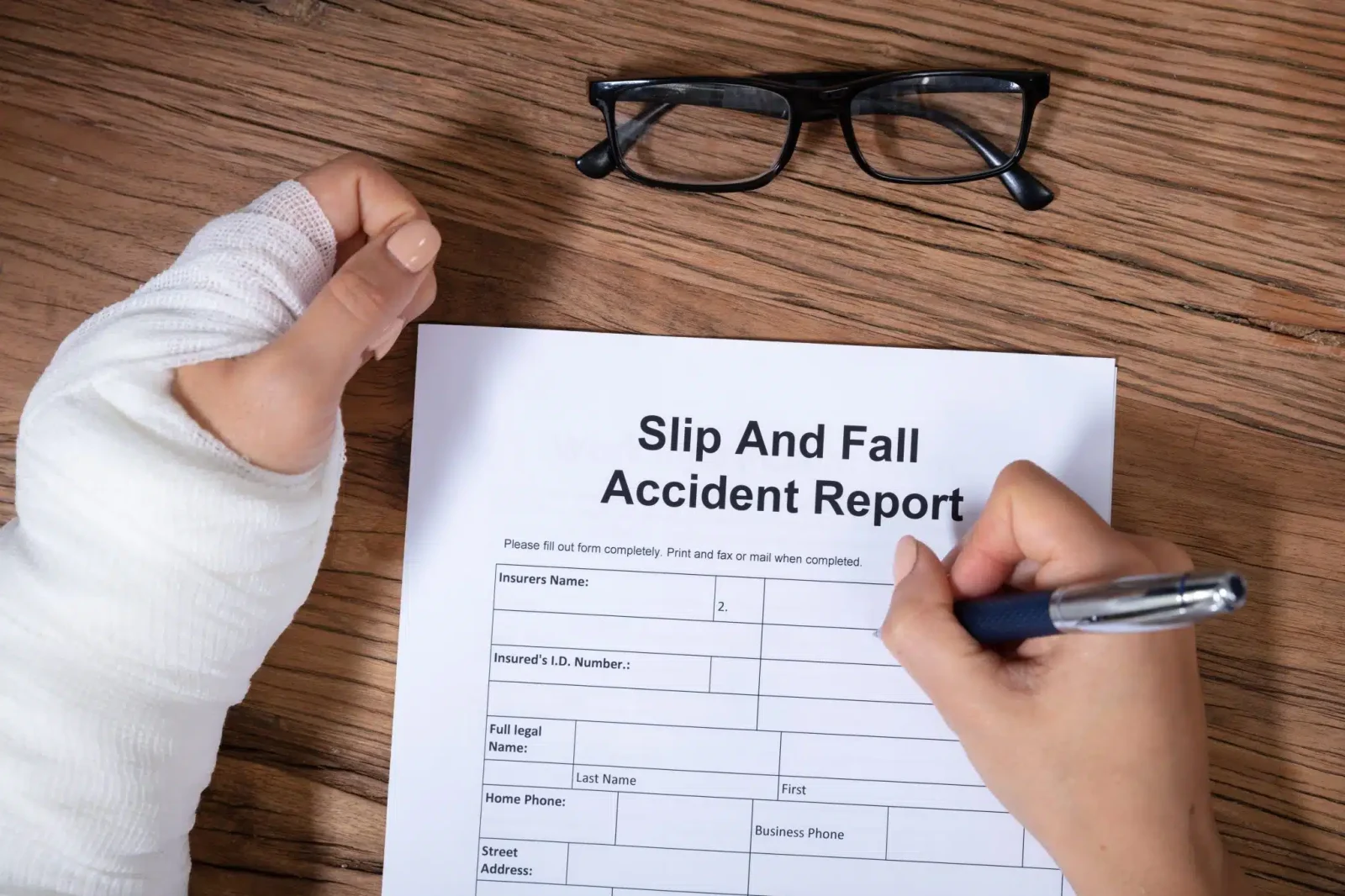
Slip and fall accidents are among the most common causes of personal injury in New York. These accidents can occur in stores, offices, apartment complexes, restaurants, sidewalks, parking lots, or any property open to the public. While some falls result in minor bruises, many lead to fractures, head injuries, spinal cord damage, or long-term disability. Victims often face medical bills, lost income, and pain and suffering, making it essential to understand their legal rights.
This guide explains the legal framework for slip and fall cases in New York, how to document incidents, what compensation is available, and why working with an experienced attorney is crucial.
Premises Liability: The Foundation of Slip and Fall Claims
In New York, slip and fall accidents generally fall under premises liability law. Property owners have a legal duty to maintain their premises in a reasonably safe condition. Failure to do so can make them liable for injuries that occur as a result.
Key Responsibilities of Property Owners
- Fix or warn about hazardous conditions, such as wet floors, broken stairs, or uneven sidewalks
- Properly maintain lighting, handrails, and walkways
- Ensure that areas open to the public are reasonably safe for visitors
- Respond promptly to complaints or reports of unsafe conditions
Owners who breach these duties may be held financially responsible for resulting injuries.
Common Causes of Slip and Fall Accidents
Slip and fall accidents often result from preventable hazards. Some frequent causes include:
1. Wet or Slippery Floors
- Recently mopped or waxed surfaces
- Spilled liquids in grocery stores or restaurants
2. Uneven Surfaces or Broken Steps
- Cracked sidewalks or parking lot pavement
- Loose tiles, floorboards, or carpeting
3. Poor Lighting
- Dim or non-functioning lights in hallways, stairwells, or parking areas
- Shadows or glare that obscure hazards
4. Snow and Ice
- Unshoveled sidewalks or parking lots
- Icy steps and entryways
5. Negligent Maintenance
- Broken handrails
- Unmarked obstacles
- Failure to repair leaks or hazards promptly
Immediate Steps to Take After a Slip and Fall
Taking the right actions immediately after an accident can significantly strengthen a legal claim. Steps include:
1. Seek Medical Attention
- Treat injuries immediately to prevent complications
- Obtain a full medical evaluation, even for minor pain
- Keep all medical records for documentation
2. Report the Incident
- Notify property management or the owner as soon as possible
- Request that an official accident report be filed
3. Document the Scene
- Take photographs of the hazard that caused the fall
- Capture surrounding conditions, lighting, and signage
- Photograph your injuries for reference
4. Gather Witness Information
- Collect names and contact details of anyone who saw the accident
- Eyewitness statements can corroborate your account of the incident
5. Preserve Evidence
- Keep clothing, shoes, or other items damaged in the fall
- Retain any relevant surveillance footage
Proving a Slip and Fall Case in New York
To succeed in a slip and fall claim, you generally need to prove:
1. The Property Owner Was Negligent
- Failing to maintain safe conditions
- Ignoring known hazards
- Negligent maintenance or inspection practices
2. The Hazard Caused Your Injury
- Medical records linking injuries to the fall
- Expert testimony or accident reconstruction in complex cases
3. You Were Lawfully on the Property
- Visitors generally have the right to be on property if it’s public or they are invited
- Trespassers face stricter legal standards and may have limited rights
New York law also considers comparative negligence, meaning you may still recover damages even if partially responsible for your fall.
Types of Compensation Available
Slip and fall victims may recover several types of damages depending on the severity of their injuries:
Economic Damages
- Medical bills and hospital expenses
- Rehabilitation and therapy costs
- Lost wages and reduced earning capacity
- Home modifications or long-term care
Non-Economic Damages
- Pain and suffering
- Emotional distress
- Loss of enjoyment of life
- Permanent disability or disfigurement
Punitive Damages
In rare cases involving gross negligence, punitive damages may be awarded to punish the property owner.
Why Legal Representation Matters
Insurance companies often attempt to minimize payouts in slip and fall cases. A skilled attorney can:
- Investigate the accident thoroughly
- Gather and preserve critical evidence
- Identify all liable parties
- Negotiate with insurers for fair compensation
- Represent you in court if necessary
New York slip and fall cases can be complex, especially if multiple parties share responsibility. Working with an experienced firm ensures that victims receive guidance, advocacy, and support.
Victims seeking legal assistance can contact Warner & Scheuerman for professional representation and personalized guidance throughout their claim.
Final Thoughts
Slip and fall accidents can be physically, emotionally, and financially devastating. Understanding your rights and taking prompt action after a fall is essential. By seeking medical care, documenting the scene, reporting the incident, and consulting an experienced attorney, victims can strengthen their case and pursue full compensation for injuries and losses.
Property owners have a duty to maintain safe premises, and New York law provides legal avenues for victims to hold negligent parties accountable. With professional legal support, slip and fall victims can focus on recovery while ensuring their rights are fully protected.