

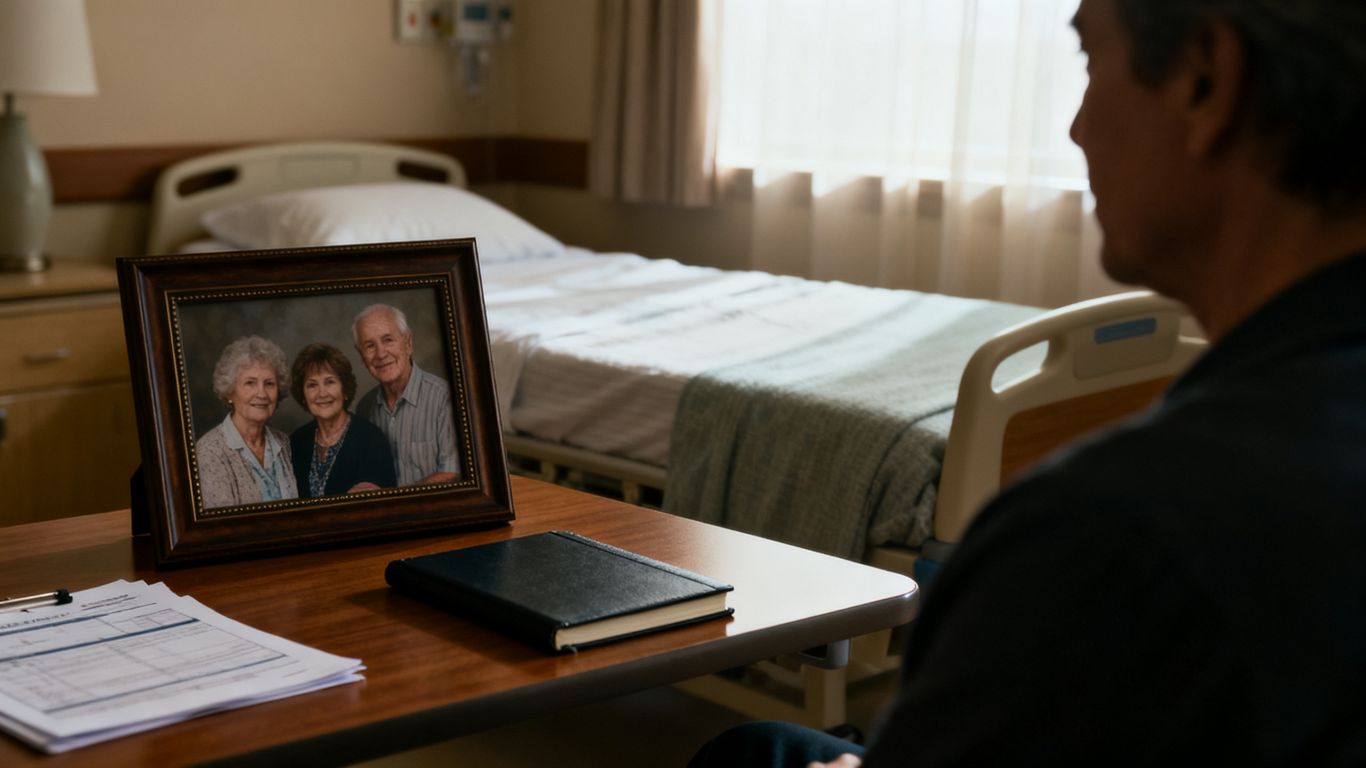
When a nursing home resident dies, the family may face more than grief: they may also need to determine whether the death resulted from preventable conduct. A wrongful death nursing home claim generally concerns a death caused by negligence, abuse, or another legally actionable failure. The details matter, because an unfortunate medical outcome is not automatically a wrongful death.
What constitutes wrongful death
Wrongful death is a legal claim brought when a person dies because another party’s wrongful act, neglect, or failure to meet a required standard of care contributed to the death. In a nursing home, that standard can arise from the facility’s duties to provide supervision, basic care, timely medical attention, and a reasonably safe environment. A family usually must show more than a close connection between poor care and the death; it must establish the elements required under the applicable state law.
The cause may be direct, such as an assault or a fatal medication error, or indirect, such as repeated neglect that allows an infection or pressure ulcer to become life-threatening. Families can review wrongful death nursing home claims to understand how common allegations such as falls, dehydration, medication errors, and untreated infections may fit into a broader legal analysis.
How nursing home negligence can lead to death
Negligence can develop through a series of missed steps rather than one dramatic event. A resident may show a change in condition, yet staff fail to document it, notify a physician, provide prescribed treatment, or communicate the concern during a shift change. Over time, a manageable problem can become an emergency.
The inquiry often focuses on what reasonable caregivers would have done in similar circumstances. Staffing levels, care plans, clinical policies, call-light records, and the resident’s known risks may all help explain whether the facility recognized and responded to a foreseeable danger. A facility’s explanation that the resident had serious underlying conditions does not, by itself, resolve whether negligent care hastened or caused the death.
Common examples of neglect and abuse
Potential warning signs include unexplained injuries, sudden weight loss, repeated falls, untreated wounds, medication discrepancies, poor hygiene, or a noticeable decline that was not addressed. Abuse may be physical, emotional, sexual, or financial, and neglect can involve basic needs as well as medical needs. Some families only discover the pattern after obtaining records that show repeated warnings or incomplete follow-up.
The presence of one warning sign does not prove liability. However, several signs appearing together can justify a careful investigation, particularly when staff accounts conflict with medical records or the facility’s incident reports. Families should preserve photographs, messages, notes about conversations, and the names of people who observed changes in the resident.
How wrongful death differs from medical malpractice
Medical malpractice is generally based on substandard care by a medical professional, while a wrongful death claim describes the harm and the legal remedy available after a death. The same incident can involve both theories. For example, a prescribing error may support a malpractice allegation, while the resident’s resulting death may allow eligible survivors or the estate to pursue a wrongful death or survival claim.
The distinction can affect which parties are named, what expert testimony is required, and which damages are available. State law controls the labels and elements, so a family should avoid assuming that a facility’s conduct belongs to only one category. An attorney can assess whether the facts support one claim, several related claims, or no viable claim.
Recognizing potential causes of a wrongful death claim
A resident’s death may follow an obvious injury, or it may occur after a gradual decline that was never properly investigated. Potential causes should be considered alongside the resident’s diagnoses, baseline condition, prescribed care, and documented risks. This approach helps separate unavoidable complications from harm that might have been prevented.
Medication errors and inadequate medical care
Medication problems can include a missed dose, an incorrect drug, an improper dosage, or a failure to recognize a harmful interaction. Other concerns may involve delayed treatment, failure to monitor vital signs, ignored symptoms, or a physician who was not contacted when the resident’s condition changed. Records showing when medication was ordered, administered, withheld, or questioned can be especially significant.
Inadequate care is not established merely because treatment failed. The investigation must consider whether staff followed the care plan, communicated relevant information, and responded within a reasonable time. A medication error may be particularly important when it is followed by a documented change in consciousness, breathing, blood pressure, infection, or other condition connected to the death.
Falls, pressure ulcers, and preventable injuries
Falls can cause fractures, head trauma, internal injuries, and complications from immobility. A facility may have known that a resident was at increased risk because of weakness, medication, confusion, or a prior fall. Questions may then arise about whether appropriate supervision, mobility assistance, alarms, environmental changes, or post-fall assessment were provided.
Pressure ulcers can also become dangerous when they are not identified and treated promptly. A review may examine repositioning schedules, skin assessments, wound-care orders, nutrition, infection monitoring, and communication with a physician. Other preventable injuries, including choking incidents or injuries caused by unsafe equipment, require the same careful comparison between the known risk and the care actually delivered.
Malnutrition, dehydration, and unsafe conditions
Malnutrition and dehydration may be associated with inadequate assistance during meals, swallowing difficulties, poor monitoring, medication effects, or a failure to respond to declining intake. A resident’s weight, fluid records, laboratory results, meal documentation, and dietary consultations can reveal whether the facility recognized a developing problem. These conditions can weaken the body and make infection or other illness harder to survive.
Unsafe conditions may include poorly maintained floors, inadequate lighting, dangerous temperatures, unsecured exits, or equipment that was not properly inspected. The relevant issue is often whether the condition was known or reasonably discoverable and whether a timely correction was possible. Facility maintenance records and prior complaints may help establish notice.
Physical abuse, neglect, and failure to supervise
Physical abuse can cause fatal trauma directly, but it may also be concealed as an unexplained fall or medical decline. Neglect and inadequate supervision can expose residents to wandering, choking, assault by another resident, or prolonged time without essential care. A facility’s obligations depend on the resident’s needs, the care plan, and the risks it knew or should have known about.
A useful investigation usually organizes the facts by date instead of relying only on memory. It can identify when symptoms began, which staff members were present, what reports were made, and how the facility responded. That timeline may show whether the death followed one event or a repeated failure to protect the resident.
Determining who may be held responsible
Responsibility may extend beyond the employee who was present when the resident became ill or injured. Nursing homes are often connected to owners, management entities, contractors, clinicians, and equipment providers. Identifying the correct legal entities early can prevent confusion when records and insurance information are requested.
Nursing home owners and operating companies
The facility owner or operating company may face allegations involving hiring, training, staffing, supervision, policies, budgeting, or failure to maintain a safe environment. Ownership and management are not always held by the same entity, and a facility’s public name may differ from the company named in its contracts or licenses. Corporate records and admission documents can help clarify those relationships.
A family should not assume that the facility itself is the only responsible party. The facts may show that a management company controlled staffing or clinical procedures, while a separate owner controlled the premises. Liability depends on the duties each entity undertook and the conduct that contributed to the death.
Individual caregivers and medical professionals
Nurses, aides, physicians, nurse practitioners, therapists, and other professionals may be examined when their individual decisions or omissions contributed to the resident’s injury. The inquiry may involve whether they followed orders, recorded observations accurately, escalated concerns, and provided the level of care expected in the circumstances.
Individual liability is fact-specific and may overlap with the facility’s responsibility for its employees. Some professionals may be independent contractors rather than employees, which can affect the legal analysis. Their notes, statements, schedules, and communications should be reviewed together rather than in isolation.
Staffing agencies and third-party providers
A staffing agency may have supplied personnel, while an outside pharmacy, laboratory, transportation service, hospice provider, or wound-care contractor handled part of the resident’s care. A third party may be relevant if its own mistake or omission caused or contributed to the death. Contracts, assignment records, invoices, and communication logs can show who was responsible for a particular task.
The facility may still have had a duty to supervise or coordinate outside providers. Conversely, a contractor may have had a distinct professional duty. Careful fact gathering is needed before deciding whether one or several entities should be included in a claim.
Manufacturers or other potentially liable parties
In some cases, a defective bed, lift, wheelchair, medication device, or other product may contribute to a fatal injury. A manufacturer or distributor could become relevant if the product was defective or lacked adequate warnings, subject to the requirements of applicable product-liability law. The product should be preserved whenever possible, along with its maintenance and repair history.
Other potentially responsible parties may include property owners, transportation companies, or people who caused an assault. These possibilities should be considered without losing focus on the facility’s care obligations. An expert may help determine whether an equipment failure or outside event was a genuine cause of the death.
Establishing a wrongful death nursing home case
A strong case is built from evidence, not suspicion alone. The family generally must connect a legal duty, a breach of that duty, the resident’s death, and compensable losses. Medical history remains relevant, but it does not automatically excuse a failure to provide reasonable care.
Proving a duty of care existed
A nursing home typically assumes responsibilities when it accepts a resident and agrees to provide care, supervision, housing, or medical services. The admission agreement, care plan, physician orders, facility policies, and applicable regulations may help define those responsibilities. The resident’s individual needs are important because the duty is measured in context, not by a single generic standard.
The duty may also arise from a professional relationship with a physician, nurse, therapist, or outside provider. A case assessment should identify each relationship separately. That makes it easier to determine which standards applied and which party controlled the relevant decision.
Showing a breach of that duty
A breach occurs when the responsible party fails to act as a reasonably careful facility, professional, or provider would have acted under similar circumstances. Examples may include failing to implement fall precautions, ignoring signs of infection, administering medication incorrectly, or leaving a vulnerable resident without required supervision. The evidence must show what should have happened and what actually happened.
Policies are useful, but they are not always conclusive. A facility may have a written policy that staff did not follow, or it may have followed a policy that was itself inadequate for the resident’s known risks. Expert review can help explain whether the care fell below the applicable standard.
Connecting negligence to the resident’s death
Causation is often the most contested part of a wrongful death nursing home case. The family may need to show that the breach caused the death or materially contributed to it, rather than merely occurring before an unrelated natural decline. Medical experts may compare the resident’s condition before and after the alleged neglect and evaluate whether earlier intervention would likely have changed the outcome.
Several contributing conditions can exist at once. A resident may have advanced illness and still have suffered an avoidable injury that shortened life or increased suffering. The analysis should account for the full medical picture while addressing the specific causal pathway supported by the records.
Documenting losses and surviving family members’ damages
Damages evidence explains how the death affected the people and estate entitled to recover under state law. It may include financial records, employment information, caregiving history, medical bills, funeral invoices, and testimony about the relationship between the resident and surviving family members. Careful documentation preserves both financial and human losses.
The family can begin by gathering materials that show the resident’s contributions and the costs incurred before and after death. A compact evidence file may include:
- Medical and pharmacy bills connected to the final illness or injury
- Funeral, burial, or cremation invoices
- Documents showing financial support or services the resident provided
- Messages, photographs, and statements describing close family relationships
These materials do not replace legal proof, but they give counsel a clearer foundation for evaluating damages. The categories and limits vary by state, so the family should preserve records even when it is not yet clear whether a particular loss is recoverable.
Who can file a nursing home wrongful death lawsuit
The person entitled to bring a claim depends largely on state law and the type of claim involved. Some states give priority to a surviving spouse or children, while others authorize a personal representative to file for the benefit of specified beneficiaries. The person who contacts a lawyer is not necessarily the person who may legally file.
Eligible family members and personal representatives
Eligible plaintiffs may include a spouse, children, parents, or other relatives identified by statute. In some jurisdictions, a personal representative files the wrongful death action on behalf of the estate or designated survivors. The order of priority and the distribution of any recovery can differ substantially from one state to another.
Families should identify all potentially eligible beneficiaries early. Disagreement among relatives does not necessarily eliminate a claim, but it can complicate decisions about representation, settlement, and distribution. A lawyer can explain who must be included or notified.
The role of the estate in pursuing claims
The estate may pursue a survival claim for losses or suffering the resident experienced before death, where state law permits. That claim is distinct from a wrongful death claim, which generally addresses losses suffered by survivors because of the death. Both claims may arise from the same conduct but involve different damages and procedural requirements.
A will, probate appointment, or court order may establish who can act for the estate. Estate administration can also affect the handling of medical bills, liens, settlement funds, and creditor claims. These issues should be coordinated rather than treated as separate paperwork after a settlement is reached.
State-specific rules on standing and beneficiaries
Standing rules can determine who has authority to sue, who receives notice, and how damages are divided. Some states limit recovery to named categories of relatives; others use dependency, relationship, or probate rules. Residency, the location of the facility, and the place where the death occurred may all affect which law applies.
A family should not rely on a general online description to decide whether it has standing. The applicable statute and relevant court decisions may contain exceptions, deadlines, or special requirements. Early legal advice is especially important when the resident was unmarried, had no children, or had a complicated family structure.
How existing arbitration agreements may affect the case
Admission paperwork may contain an arbitration agreement that attempts to move disputes out of court. Whether such an agreement applies, who signed it, and whether it covers a wrongful death claim can depend on state and federal law. Questions may also arise about the signer’s authority and whether the agreement was presented fairly.
An arbitration clause does not necessarily end the matter or determine its outcome. Counsel can review the document, its execution, and the claims being considered before advising the family about litigation or arbitration. The family should preserve the complete admission packet, including addenda and signature pages.
How to pursue a wrongful death claim
A measured response can protect evidence while the family is still grieving. The first steps usually involve reporting concerns, securing records, identifying witnesses, and avoiding premature conclusions about fault. Because facilities control many relevant documents, prompt preservation efforts may be valuable.
Reporting concerns and preserving evidence
Concerns may be reported to facility administrators, state regulators, adult protective services, law enforcement, or another appropriate oversight body, depending on the circumstances. A report can create an independent record, although it does not replace a civil investigation. Immediate danger or suspected criminal abuse should be directed to emergency or law-enforcement authorities.
Families should keep original photographs, written notes, voicemails, text messages, clothing, medication containers, and relevant equipment when practical. They should record dates, names, statements, and observed changes while memories remain fresh. Requests that the facility preserve surveillance video, electronic records, and incident materials may also be appropriate.
Obtaining medical, facility, and incident records
Medical charts, medication administration records, care plans, nursing notes, staffing schedules, transfer documents, and death records can help reconstruct the resident’s final days. Incident reports, internal investigations, complaints, inspection records, and communications with family members may provide additional context. The family may need to sign authorizations or work through the estate’s representative to obtain some materials.
Records should be reviewed as a sequence. A single note may appear harmless until compared with a later entry, a medication record, or a hospital chart. Missing pages, late entries, inconsistent times, and unexplained amendments can be issues for investigators to examine without assuming that they prove misconduct.
Investigating the death through experts and witnesses
Attorneys may consult physicians, nurses, pharmacists, wound-care specialists, life-care professionals, economists, or other experts depending on the allegations. Experts can assess the standard of care, causation, and the value of claimed losses. Former employees, roommates, visitors, emergency responders, and hospital personnel may also provide important testimony.
Witness accounts should be compared carefully with documentary evidence. A witness may remember the general decline accurately while being uncertain about dates, and a record may contain an entry that does not reflect what actually occurred. A fair investigation tests both sources rather than accepting either one without scrutiny.
Negotiating a settlement or proceeding to trial
Many claims resolve through negotiation, mediation, or another agreement before trial, but settlement is not automatic. The value of an offer depends on liability evidence, causation, damages, available insurance, and the risks of continued litigation. The person authorized to act for the survivors or estate must understand the proposed release and how funds will be allocated.
If negotiations fail, the case may proceed through discovery, expert depositions, motions, and trial. Litigation can require family members to testify about the resident and the losses they experienced. A legal team should explain the expected process, likely costs, and strategic choices before filing or accepting a resolution.
Compensation and deadlines in wrongful death cases
Compensation is shaped by the resident’s circumstances, the family’s relationship, the evidence of negligence, and state law. No fixed amount applies to every case, and some damages may be unavailable in a particular jurisdiction. A careful evaluation distinguishes losses belonging to the estate from losses belonging to surviving family members.
Economic losses caused by the death
Economic damages may include lost financial support, the value of household services, medical expenses, and other measurable costs tied to the death. If the resident provided care, transportation, or other assistance to family members, the value of replacing those services may be relevant where permitted. Employment, pension, benefits, and life-expectancy evidence can help support the calculation.
The analysis should account for the resident’s age, health, income, dependents, and likely future contributions. It should also avoid treating estimates as certain when the resident’s health or retirement plans made future support difficult to predict. Financial experts may be helpful in larger or more complex claims.
Funeral expenses and medical costs
Funeral, burial, cremation, transportation, and memorial costs may be recoverable under applicable law. Medical expenses incurred during the final illness or injury may belong to the estate, the survivors, or another payer depending on the claim and local rules. Bills, insurance statements, receipts, and payment records should be retained.
Families should also identify liens or reimbursement claims from insurers, government programs, or medical providers. A settlement amount may not equal the amount ultimately distributed after those obligations are addressed. Counsel can help determine which expenses are supported and how related claims should be handled.
Loss of companionship, support, and guidance
Survivors may be able to seek damages for the loss of companionship, affection, guidance, care, or support that the resident provided. These losses are personal and often difficult to quantify. Testimony from relatives, friends, caregivers, and community members may help describe the relationship without reducing it to a formula.
The resident’s role in family life can be shown through ordinary details: regular calls, shared routines, childcare, advice, holidays, or practical help. The strength of the relationship matters, but so do statutory limits and the categories recognized by the governing law. A family should speak candidly with counsel about both the emotional and practical effects of the death.
Statutes of limitations and other filing deadlines
A statute of limitations sets a deadline for filing suit, and missing it can prevent recovery even when the underlying facts are strong. The period may differ for wrongful death, survival, medical malpractice, product liability, or claims involving a government facility. Special rules may apply when the resident was incapacitated, the defendant is a public entity, or the cause of death was not immediately discovered.
Families should seek advice promptly rather than waiting for every record to arrive. Sending a notice, reporting the incident, or negotiating with an insurer may not extend the filing deadline. A lawyer can identify the potentially applicable deadlines, preserve the claims, and explain the next practical step based on the resident’s state and the facility’s location.